

Ladakh packing list: a checklist for high altitude
Ladakh packing list for road trips and bike trips: layers for cold nights, strong sun protection, altitude health basics, permits and power for remote stretches.
By TravelGearly Editorial TeamUpdated
Quick answer
Ladakh is a cold, high-altitude desert. Pack thermals, a fleece and a down jacket even in summer, plus a windproof layer, woollen cap and gloves. Sun protection is essential: SPF 50 sunscreen, UV sunglasses, lip balm and a cap. Add a power bank, cash, printed permits, basic medicines and at least 24–48 hours in Leh to acclimatise.
Ladakh is unlike anywhere else in India: Leh sits around 3,500 m above sea level, the air is thin and dry, the sun is intense, and nights are cold even in July. This Ladakh packing list is built around those three facts.
Open the packing list generator for Ladakh for a list matched to your month and travellers.
When to go
The main season is June to September, when roads over the high passes are usually open. Outside it, Ladakh is very cold and some roads close. See the Ladakh destination page for month-by-month notes.
Clothing: layer for sun and cold
| Layer | Items |
|---|---|
| Base | Quick-dry T-shirts; thermal top and bottom |
| Mid | Fleece or wool sweater |
| Outer | Down or padded jacket; windproof or riding jacket |
| Legs | Trek pants or jeans; thermal bottoms for passes |
| Head & hands | Cap for sun, woollen cap, gloves, buff or scarf for dust |
| Feet | Trekking shoes or riding boots, woollen socks, sandals for camp |
Sun and dryness
At this altitude UV exposure is much higher than in the plains.
- Sunscreen SPF 50, reapplied through the day
- UV-protection sunglasses
- Lip balm with SPF
- Heavy moisturiser
- Cap or wide-brimmed hat
Health and altitude
- Rest for 24–48 hours in Leh before going higher
- Drink plenty of water; carry a 1 L bottle
- Avoid alcohol for the first days
- Personal medicines, pain relief, ORS, motion-sickness tablets
- Altitude medication only if prescribed by your doctor
- Descend if symptoms such as severe headache, breathlessness at rest or confusion appear
Power, money and documents
- Power bank, ideally 20,000 mAh — see power banks
- Car charger for road trips
- Cash: ATMs outside Leh are scarce
- Photo ID and several photocopies (checkpoints may ask)
- Printed permits, if required for your route
- Offline maps downloaded in Leh
Bike trip additions
- Riding jacket, gloves and knee guards
- Helmet with a clear visor
- Bungee cords and a waterproof bag cover
- Basic tools and puncture kit (or confirm with your rental)
Pack smart
Bulky winter layers take a lot of space — compression packing cubes help. A rucksack is easier than a suitcase on bikes and in shared taxis.
Related
- Manali packing list — for the Manali–Leh route
- Travel essentials for trekking
- Kashmir packing list — for the Srinagar–Leh route
Turn this into your own checklist
Get a Ladakh packing list for your month, trip length and travellers.
Build my packing listGear that helps

Boldfit High-Neck Anti-Skid Trekking Shoes
Trekking Gear
- Good for
- Himalayan treks, Snow and scree
Size, specs and price can change — check the listing before you buy.
Check price on Amazon.in (opens in a new tab)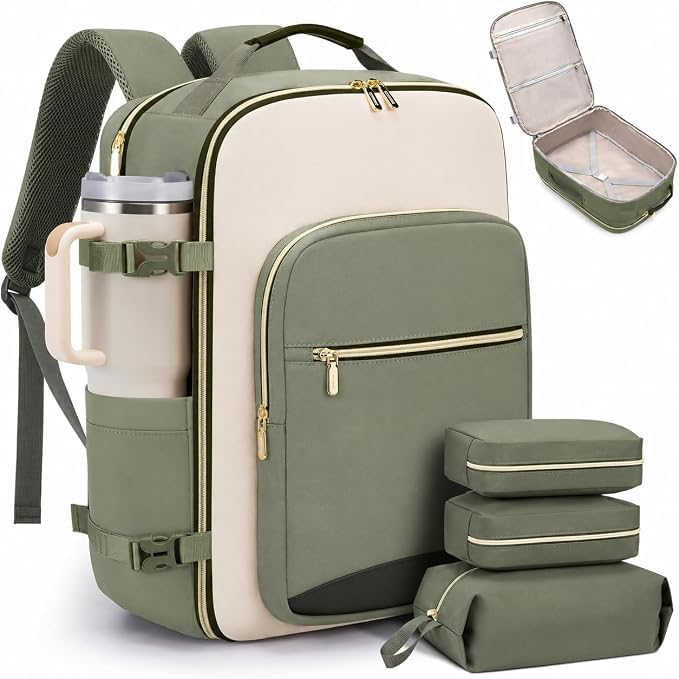
RNAZLIS 40L Carry-On Travel Backpack with 3 Packing Cubes
Backpacks
- Good for
- One-bag travel, Week-long trips
Size, specs and price can change — check the listing before you buy.
Check price on Amazon.in (opens in a new tab)Some links on this website are affiliate links. If you make a purchase through them, we may earn a commission at no additional cost to you. Read our affiliate disclosure.
Frequently asked questions
What clothes should I pack for Ladakh in June?
Do I need permits to visit Ladakh?
Does my mobile work in Ladakh?
We research travel essentials for Indian travellers using official guidance (airlines, BCAS, IATA, tourism boards), manufacturer specifications and our own packing frameworks. We do not publish invented reviews or ratings. Read more about how we research.